
Coffee Roasting Courses in Dubai: From Roast Logs to Better Decisions
Explore coffee roasting training in Dubai, from roast logs and first crack to profile comparison. Choose a level and prepare useful questions for Crack.
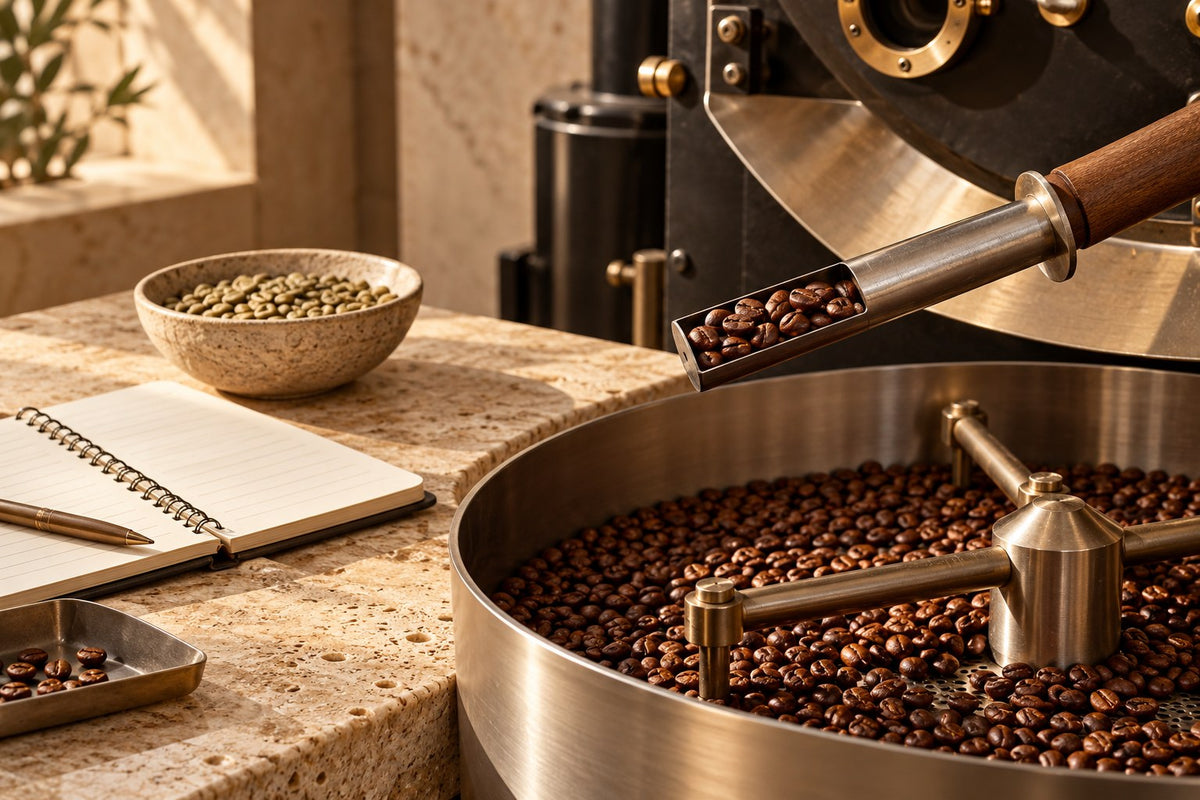
A coffee roasting course should help you connect what happens inside a roaster with what you taste afterwards. For beginners, that starts with terminology, supervised machine operation and clear records. For experienced roasters, it means asking better questions about profiles, consistency and production decisions.
Crack’s Roasting Course in Dubai lists Foundation, Intermediate and Professional options. Choose around your current skills and the decisions you need to make, rather than selecting the highest level by default.
What should you understand before your first roast?
A roast log is a record of a batch. It can include the coffee, batch size, machine settings, time observations and important events. Its value comes from consistency: a useful record lets you compare one batch with another and explain what changed.
First crack is an audible stage associated with physical changes in the beans. Hearing it is one observation, not a complete recipe. A learner also needs to understand the equipment, the instructor’s terminology and how the finished coffee will be evaluated. Work with the trainer’s safety procedures rather than experimenting with unfamiliar controls independently.
Match the level to the question you want to answer
- Foundation: How does the roasting process work, what are the main machine parts, and how do I record a batch? Crack’s listing includes terminology, physical changes, roast logs, safety and maintenance.
- Intermediate: How do changes in a profile relate to heat transfer and the resulting cup? The listed topics include roast profiles, sample roasting and development.
- Professional: How do I evaluate and repeat production decisions? The listing extends into profile development, defects, quality control and roastery operations.
The current Professional listing names Roasting Intermediate as a prerequisite. Confirm your eligibility, teaching format, assessments and the exact certificate arrangements with the team before booking.
Turn a tasting into a useful comparison
Ask the trainer how to compare two roasts while keeping the tasting preparation consistent. Record the coffee identity and the relevant batch notes, then describe the cups before trying to explain them. A darker appearance alone does not tell the whole flavour story.
A simple practice sheet can have five columns: batch reference, intended change, recorded observations, tasting description and next question. Keep “what I noticed” separate from “what I think caused it.” This makes feedback more precise and stops a guess becoming a rule.
Roasting, green coffee and sensory skills work together
Roasting is one part of the chain. The raw material and your ability to evaluate the cup also matter. Explore the Green Coffee Course if you want to understand coffee before roasting, and the Sensory Skills Course if describing differences is your main challenge.
Our guide to natural and washed coffee provides useful vocabulary for reading coffee information before class.
Frequently asked questions
Do I need to own a roaster?
Ownership is not listed as a Foundation prerequisite. Explain your experience and ask what equipment and supervised practice the selected session includes.
Will one course prepare me to open a roastery?
Training develops skills. A commercial operation also requires suitable premises, equipment, staff, planning and quality systems. Discuss the wider project separately through Crack’s business services.
Where can I confirm the next course?
Contact Crack in Dubai with your experience and learning goal. Confirm dates, venue, language, practical time and what is included before making travel or work arrangements.