
Coffee Sensory Training in Dubai: Learn to Describe What You Taste
Learn how coffee sensory training builds useful tasting habits. Explore Crack’s Dubai course, simple comparison exercises and questions to ask before booking.
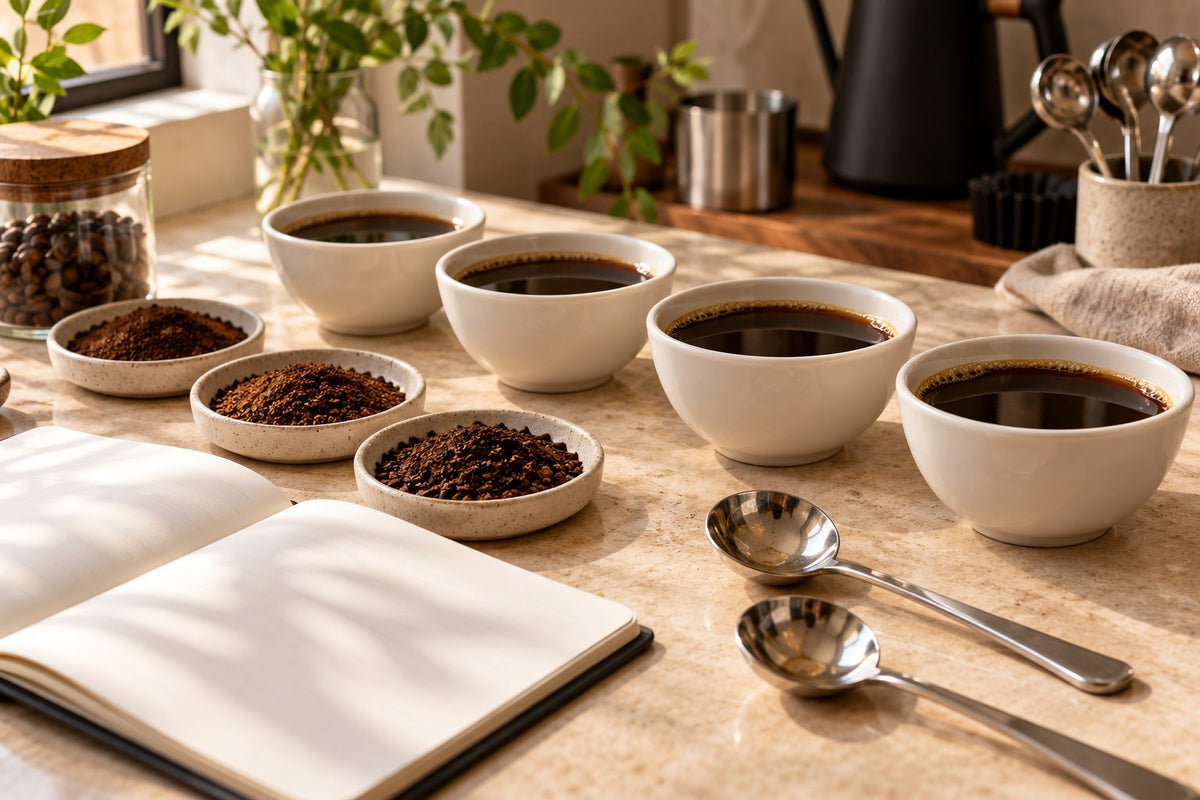
Coffee sensory training teaches you to notice, describe and compare the cup more deliberately. You do not need a collection of impressive flavour words to begin. Start by distinguishing what you perceive from whether you personally enjoy it, then learn to communicate those observations consistently.
Crack’s Sensory Skills Course in Dubai offers Foundation, Intermediate and Professional levels. It is a relevant path for curious coffee drinkers, baristas and people involved in evaluating coffee quality.
Describe the experience before naming a flavour
When a tasting note feels difficult, use ordinary comparisons. Does one cup seem sweeter than the other? Is its texture lighter or heavier? Does the finish disappear quickly or remain? These observations give you a starting point without forcing a precise fruit or flower name.
Aroma, taste, texture and finish are useful headings for a notebook. They help separate different parts of the experience. “I prefer cup A” is a preference; “cup A feels fuller than cup B” is a comparative description. Keeping both is useful, provided you know which is which.
Build a simple comparison habit
- Choose two coffees and label the cups so you can identify them afterwards.
- Use the same brewing method, water and serving size. Keep preparation as consistent as practical.
- Smell and taste each coffee once it is comfortable to drink. Write a short description before discussing it with someone else.
- Return as the cups cool and note whether your description changes.
- Compare observations, then read the coffee information. Treat differences of opinion as a reason to discuss the reference, not to invent agreement.
This is an informal learning exercise, not a professional grading protocol. For a guided evaluation, follow the trainer’s preparation method and assessment instructions. Crack’s filter coffee collection provides options for exploring different listed flavour profiles at home.
What changes between course levels?
The Foundation listing introduces sensory analysis, taste and smell, coffee characteristics and cupping. Intermediate moves into organising comparisons and cupping sessions. Professional addresses more advanced measurement, descriptive profiling and panel work.
If you are choosing a level for a job, explain the task you need to perform: describing drinks to customers, comparing samples or contributing to quality control. The current Professional listing requires Sensory Skills Intermediate. Confirm the appropriate route and assessment arrangements with Crack.
Connect tasting to the rest of your coffee learning
Flavour descriptions become more useful when paired with an understanding of the coffee and its preparation. Read our coffee processing guide for label vocabulary. If cups change because your brewing is inconsistent, explore the Brewing Course as a separate practical skill.
The Coffee Academy course guide helps you compare these paths without treating every course as interchangeable.
Frequently asked questions
Do I need to recognise every tasting note?
No. Begin with clear observations you can repeat. Training gives you a structured way to develop references and discuss differences.
Is cupping the same as making my usual coffee?
Cupping uses a defined comparison approach. Your daily drink may use a different preparation. Both can support learning, but their results should be understood in context.
Does attending make me a certified grader?
Do not assume a course automatically awards a separate professional credential. Ask Crack about the exact course, assessment and certificate before booking.