
How to Choose a Wholesale Coffee Supplier in the UAE
Look beyond the price per kilo. Compare coffee, delivery and practical support to find a wholesale partner that fits your café’s daily service.
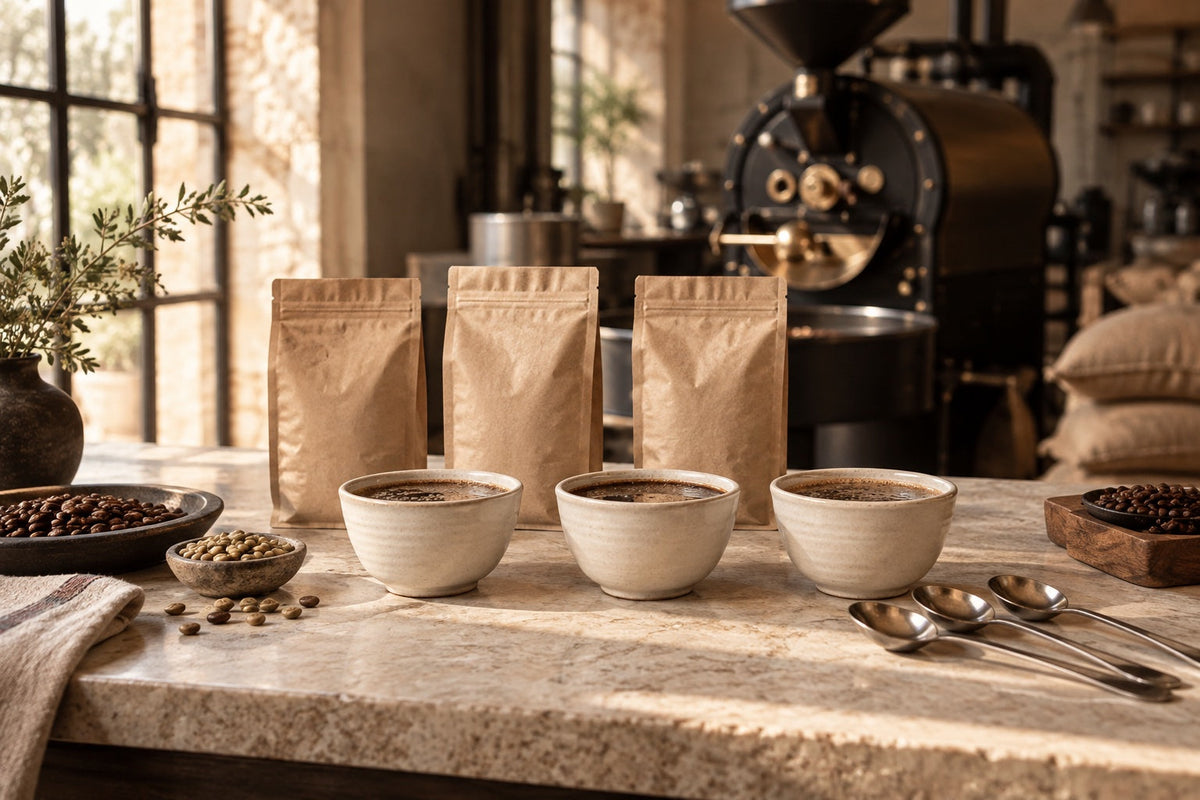
The right wholesale coffee supplier in the UAE should fit the way your business actually serves coffee. A memorable tasting is a useful beginning, but a café also needs repeatable drinks, clear ordering and a workable plan when something changes. Use this checklist to compare suppliers before making a decision.
Start with your menu and customers
Write a short purchasing brief before requesting samples. Include the drinks you serve, your equipment, expected coffee use, preferred delivery schedule and the flavours you want customers to recognise. Tell suppliers whether milk drinks, black coffee or filter brewing make up the core of your programme.
A compact takeaway menu may benefit from one dependable house coffee. A café built around discovery may also want a rotating filter selection. Define the role of each coffee so a new origin or tasting note does not distract from the needs of the menu.
Taste samples under realistic conditions
Compare shortlisted coffees using consistent water, equipment and cup sizes. Give each coffee a fair dial-in rather than forcing every sample through one grinder setting. Record the dose, yield, preparation and taste so you can repeat a promising result.
Try the coffee in the drinks you sell, including your usual milk and relevant alternatives. Taste with the team members who will prepare it during service. Ask them to describe sweetness, bitterness, acidity, texture and finish in ordinary language. Repeat the tasting on another day before settling on a favourite.
Ask how consistency is managed
A supplier relationship extends beyond the first bag. Ask how the roaster communicates changes in a blend, seasonal availability or recommended brewing approach. Find out what happens if the coffee you selected is temporarily unavailable.
- Will substitutions be agreed before an order is dispatched?
- What information accompanies each delivery?
- Who helps investigate a change in cup quality?
- Can your team receive practical guidance when moving to a new coffee?
Keep a small tasting log at the café. Recording what changed helps both teams distinguish an unfamiliar coffee from an equipment, recipe or preparation issue.
Compare the whole supply arrangement
Ask for written details of minimum orders, order cut-off times, delivery areas, delivery charges, payment terms and how damaged or incorrect orders are handled. Check how holidays and busy periods affect delivery. Agree on a contact route for urgent questions.
Plan stock around actual use and lead time. Buying a large amount simply to reach a price tier may leave you holding more coffee than your café needs. Count unopened stock regularly and keep deliveries organised by date. Our coffee storage guide explains the basic conditions that help protect your beans.
Look beyond the quoted price per kilo
Use the same assumptions when comparing quotes. Consider the recipe dose, delivery costs, time spent dialling in and coffee lost through remakes or unnecessary purging. These are useful operational comparisons, not a promise that a particular coffee will improve your margins.
For a simple purchasing calculation, divide the coffee price per kilogram by 1,000 and multiply by the grams used in a drink. That gives the bean cost for the dose only. Milk, cups, labour, utilities and waste still need separate consideration. Use your own observed waste rather than an invented industry average.
Clarify training and equipment support
Ask exactly what support is included and what requires a separate booking or fee. A product introduction, an onsite dial-in and a structured team course are different services. Clarify the people, timing and scope involved.
If equipment is part of an offer, review ownership, maintenance responsibilities, service availability and any purchase commitment separately. Make sure the arrangement remains suitable if your volume or menu changes. For team development, explore the Crack Coffee Academy and our guide to training a café team.
Run a small, agreed trial
Before moving your entire programme, agree on a trial that covers more than a tasting. Place an order, receive it, prepare drinks during normal service and gather feedback. Record whether delivery and communication matched the agreement. Finish with a review of taste, staff confidence and operational fit.
Frequently asked questions
Should a café choose a blend or a single-origin coffee?
Choose according to its role in the menu and the customer experience you want. Test the actual coffees in your drinks. Neither label alone tells you whether a coffee will work well with your equipment, recipes and customers.
What should I ask when requesting wholesale samples?
Share your menu, equipment, approximate usage and taste preferences. Ask for brewing guidance, ordering terms and a clear explanation of any sample or delivery charges.
Does Crack supply coffee for businesses?
Yes. Explore Crack’s wholesale coffee and business services, then contact our team with your location, menu and expected usage to discuss a suitable supply arrangement.